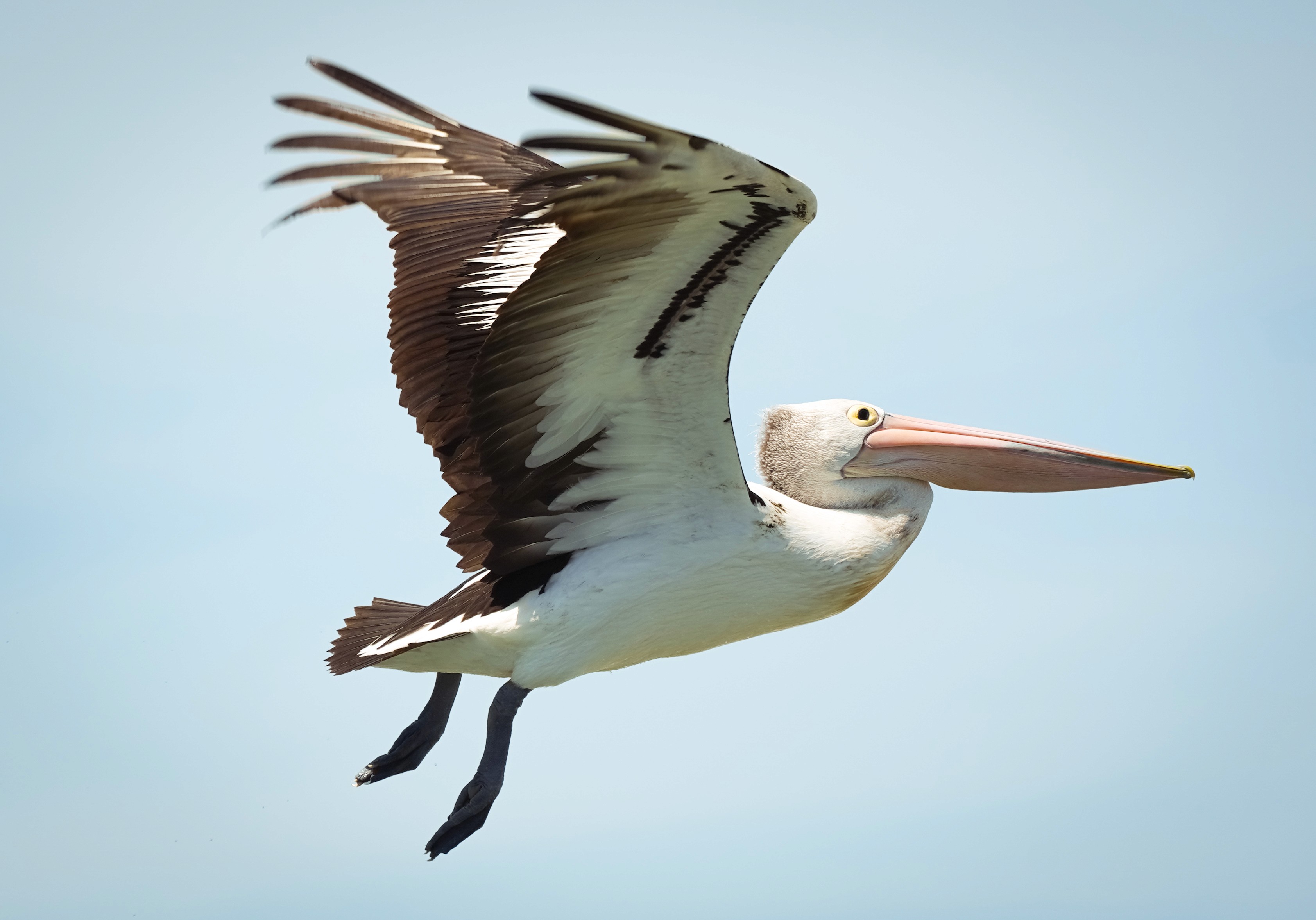
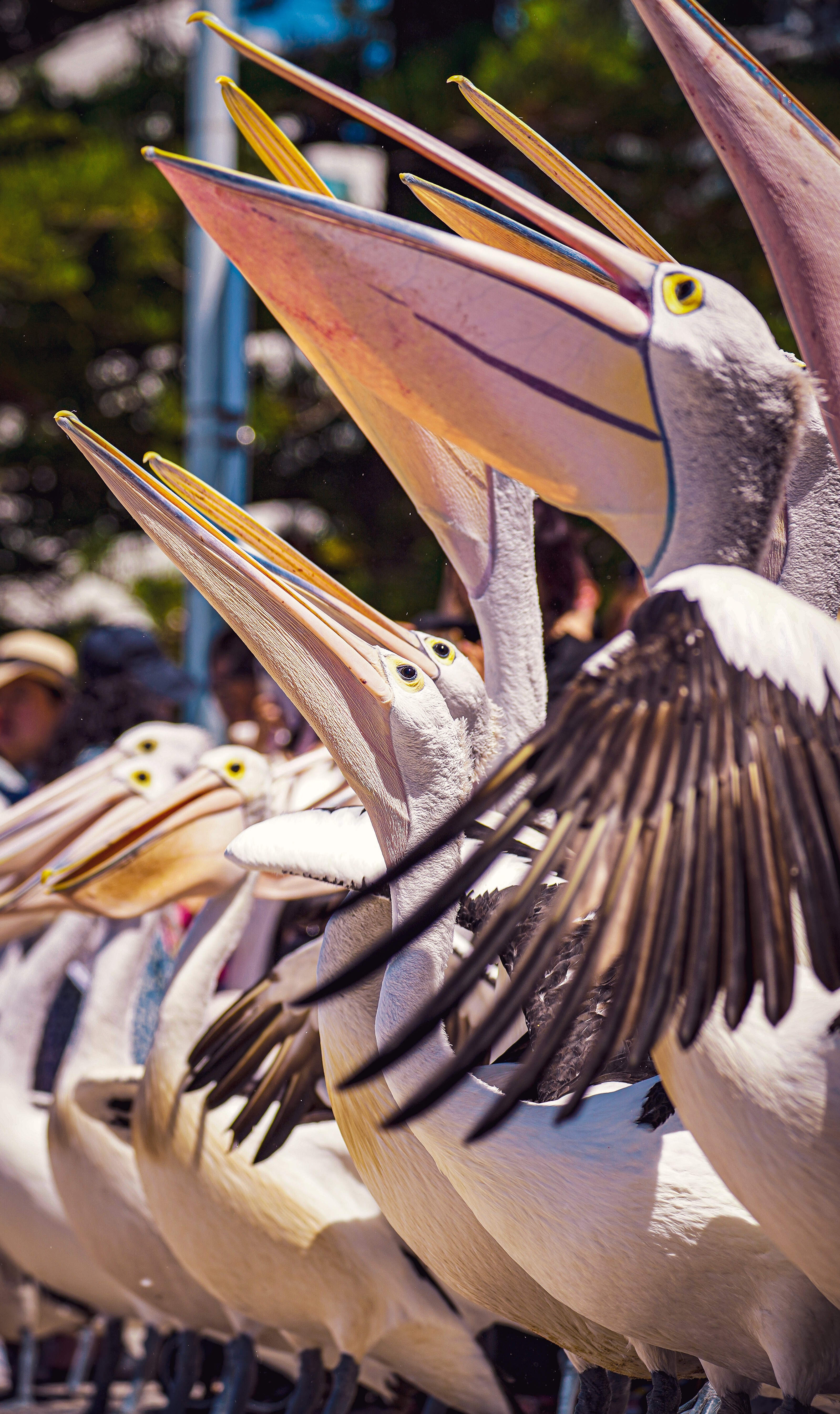
Watching the pelican feeding was, at first, undeniably exciting. Dozens of birds gathered along the shoreline while visitors crowded together, cameras raised, waiting for the next flurry of wings. It’s easy to understand why these experiences are popular. They introduce people to wildlife they may never have stopped to notice otherwise. For many, it’s the beginning of a lifelong appreciation for nature. But as I stood there, I found myself watching something else. The competition for food became intense. Birds jostled for position, wings collided, and at times a few appeared to be hurt in the scramble. Around them, people pressed closer, eager for a better view or a better photograph. I realised my attention had shifted from the spectacle to the pelicans themselves. It made me wonder where the line is between helping people connect with wildlife and turning wildlife into entertainment. There isn’t a simple answer. Tourism can inspire conservation, support local communities and create opportunities for people to care about the natural world. Yet every interaction carries a responsibility to ask whether the experience is designed around the needs of the animals or the expectations of the audience. Perhaps the most meaningful wildlife encounters are not always the loudest or the closest. Sometimes they happen when we give animals enough space to behave as they naturally would, and we learn to appreciate them on their own terms.
Watching the pelican feeding was, at first, undeniably exciting. Dozens of birds gathered along the shoreline while visitors crowded together, cameras raised, waiting for the next flurry of wings. It’s easy to understand why these experiences are popular. They introduce people to wildlife they may never have stopped to notice otherwise. For many, it’s the beginning of a lifelong appreciation for nature. But as I stood there, I found myself watching something else. The competition for food became intense. Birds jostled for position, wings collided, and at times a few appeared to be hurt in the scramble. Around them, people pressed closer, eager for a better view or a better photograph. I realised my attention had shifted from the spectacle to the pelicans themselves. It made me wonder where the line is between helping people connect with wildlife and turning wildlife into entertainment. There isn’t a simple answer. Tourism can inspire conservation, support local communities and create opportunities for people to care about the natural world. Yet every interaction carries a responsibility to ask whether the experience is designed around the needs of the animals or the expectations of the audience. Perhaps the most meaningful wildlife encounters are not always the loudest or the closest. Sometimes they happen when we give animals enough space to behave as they naturally would, and we learn to appreciate them on their own terms.
Watching the pelican feeding was, at first, undeniably exciting. Dozens of birds gathered along the shoreline while visitors crowded together, cameras raised, waiting for the next flurry of wings. It’s easy to understand why these experiences are popular. They introduce people to wildlife they may never have stopped to notice otherwise. For many, it’s the beginning of a lifelong appreciation for nature. But as I stood there, I found myself watching something else. The competition for food became intense. Birds jostled for position, wings collided, and at times a few appeared to be hurt in the scramble. Around them, people pressed closer, eager for a better view or a better photograph. I realised my attention had shifted from the spectacle to the pelicans themselves. It made me wonder where the line is between helping people connect with wildlife and turning wildlife into entertainment. There isn’t a simple answer. Tourism can inspire conservation, support local communities and create opportunities for people to care about the natural world. Yet every interaction carries a responsibility to ask whether the experience is designed around the needs of the animals or the expectations of the audience. Perhaps the most meaningful wildlife encounters are not always the loudest or the closest. Sometimes they happen when we give animals enough space to behave as they naturally would, and we learn to appreciate them on their own terms.
Field Reflection
Perhaps the goal isn’t to get closer to wildlife, but to understand it better. Every wildlife encounter asks something of us. Sometimes the greatest act of respect is choosing to observe without expecting nature to perform.
How do we balance wonder with respect?
A quieter way of looking
The pelican feeding stayed with me because it held both feelings at once: the delight of seeing wild birds up close, and the discomfort of watching that closeness become pressure. Wonder does not disappear when we step back. Sometimes it becomes clearer.
Field Photographs