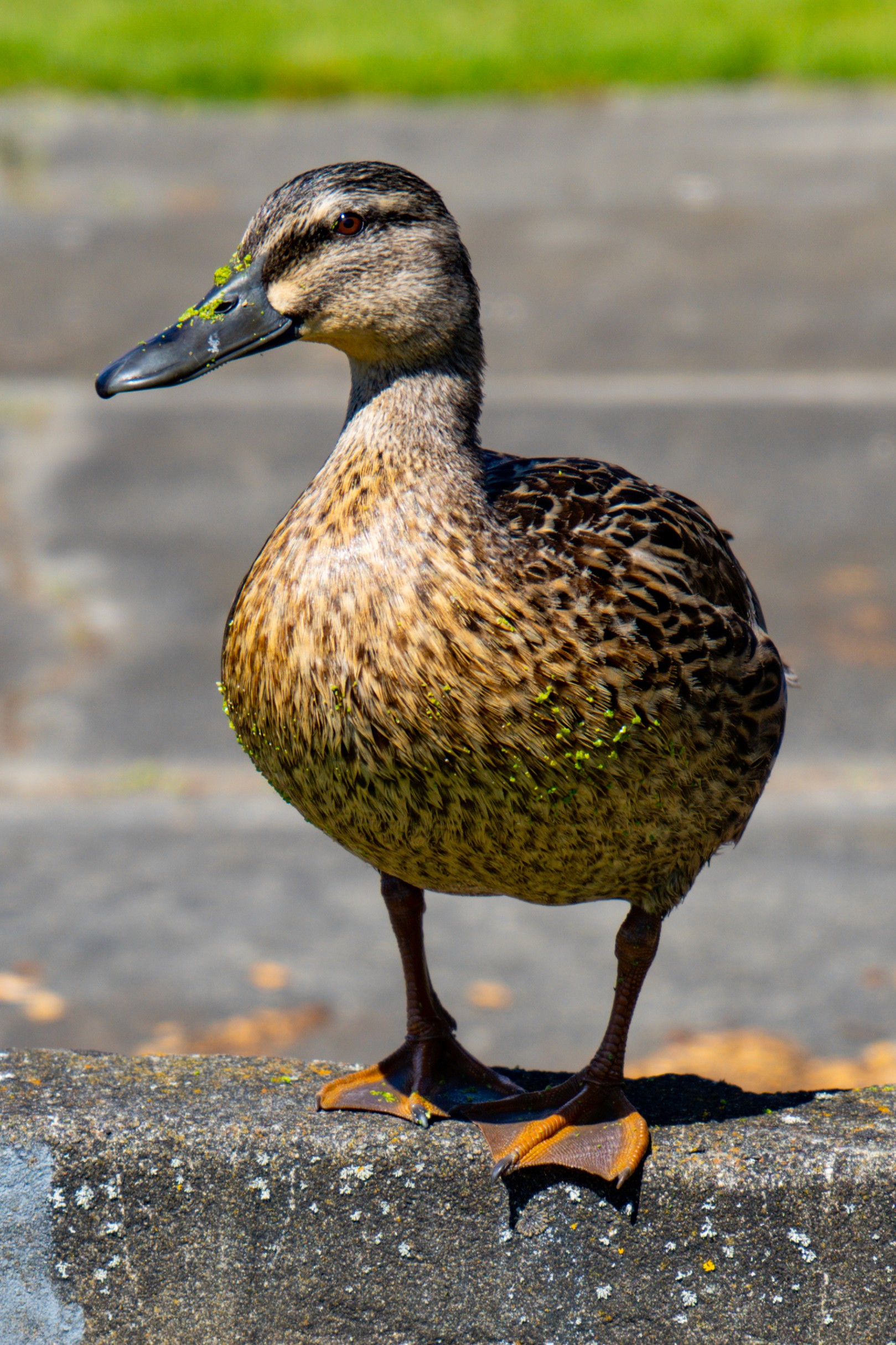
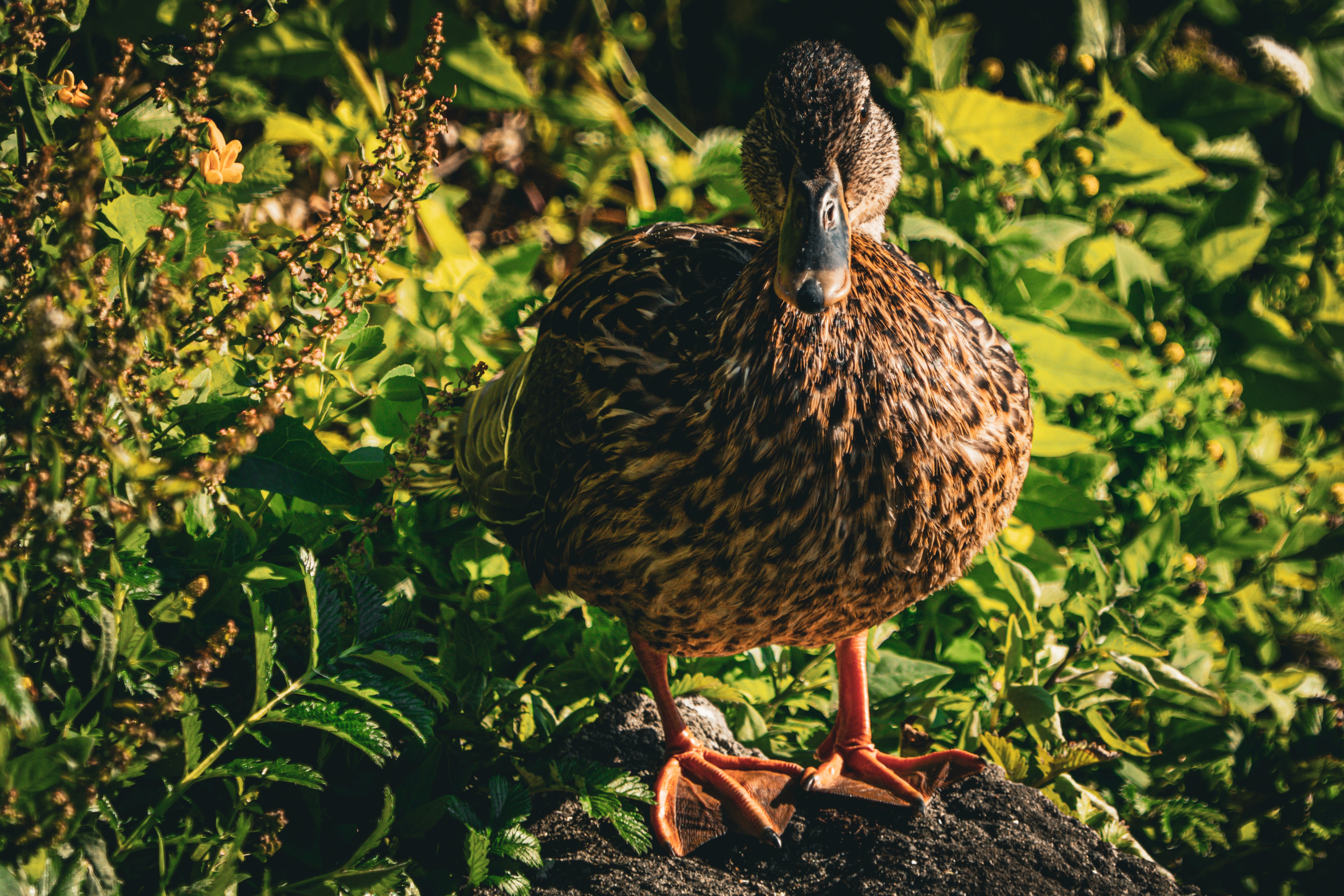
There are animals people travel across the world to see.
Polar bears.
Gorillas.
Whales.
And then there are ducks.
We pass them almost every day. They gather on suburban ponds, quiet rivers and city parks. They have become so familiar that many of us stop seeing them altogether.
I’ve never understood that.
I love watching ducks fly. Their bodies seem almost too heavy for the task, their necks stretched impossibly forward as if determination alone carries them through the air. Flight doesn’t appear effortless. It looks earned. Yet they leave the water anyway, beating their wings toward wherever they need to be.
Perhaps that’s one reason I find them so endearing.
What fascinates me even more is the quiet contradiction they create. We call them ordinary birds, yet parks fill with families who come simply to spend time beside them. Toddlers laugh as ducks paddle toward the shore. Photographers wait patiently for perfect light to catch a feather or reflection. Others sit silently, watching them drift across the water without any particular purpose at all.
We don’t return to ducks because they are rare.
We return because they ask almost nothing of us except that we slow down.
The more time I spend photographing wildlife, the more I realise that wonder isn’t reserved for distant places or extraordinary animals. Sometimes it waits in the familiar, in the birds we’ve convinced ourselves we’ve already seen.
Perhaps connection doesn’t begin when we discover something rare.
Perhaps it begins the moment we notice what has been beside us all along.
There are animals people travel across the world to see.
Polar bears.
Gorillas.
Whales.
And then there are ducks.
We pass them almost every day. They gather on suburban ponds, quiet rivers and city parks. They have become so familiar that many of us stop seeing them altogether.
I’ve never understood that.
I love watching ducks fly. Their bodies seem almost too heavy for the task, their necks stretched impossibly forward as if determination alone carries them through the air. Flight doesn’t appear effortless. It looks earned. Yet they leave the water anyway, beating their wings toward wherever they need to be.
Perhaps that’s one reason I find them so endearing.
What fascinates me even more is the quiet contradiction they create. We call them ordinary birds, yet parks fill with families who come simply to spend time beside them. Toddlers laugh as ducks paddle toward the shore. Photographers wait patiently for perfect light to catch a feather or reflection. Others sit silently, watching them drift across the water without any particular purpose at all.
We don’t return to ducks because they are rare.
We return because they ask almost nothing of us except that we slow down.
The more time I spend photographing wildlife, the more I realise that wonder isn’t reserved for distant places or extraordinary animals. Sometimes it waits in the familiar, in the birds we’ve convinced ourselves we’ve already seen.
Perhaps connection doesn’t begin when we discover something rare.
Perhaps it begins the moment we notice what has been beside us all along.
There are animals people travel across the world to see.
Polar bears.
Gorillas.
Whales.
And then there are ducks.
We pass them almost every day. They gather on suburban ponds, quiet rivers and city parks. They have become so familiar that many of us stop seeing them altogether.
I’ve never understood that.
I love watching ducks fly. Their bodies seem almost too heavy for the task, their necks stretched impossibly forward as if determination alone carries them through the air. Flight doesn’t appear effortless. It looks earned. Yet they leave the water anyway, beating their wings toward wherever they need to be.
Perhaps that’s one reason I find them so endearing.
What fascinates me even more is the quiet contradiction they create. We call them ordinary birds, yet parks fill with families who come simply to spend time beside them. Toddlers laugh as ducks paddle toward the shore. Photographers wait patiently for perfect light to catch a feather or reflection. Others sit silently, watching them drift across the water without any particular purpose at all.
We don’t return to ducks because they are rare.
We return because they ask almost nothing of us except that we slow down.
The more time I spend photographing wildlife, the more I realise that wonder isn’t reserved for distant places or extraordinary animals. Sometimes it waits in the familiar, in the birds we’ve convinced ourselves we’ve already seen.
Perhaps connection doesn’t begin when we discover something rare.
Perhaps it begins the moment we notice what has been beside us all along.
Closing reflection
There is beauty, thoughtfulness, connection and joy in the ordinary.
What ordinary part of nature have you stopped noticing?
An Invitation
The next time you pass a duck, don’t keep walking. Stop for five minutes. Notice how it moves, how it rests, how it interacts with others. You may discover that what once seemed ordinary becomes unexpectedly extraordinary.
Field Photographs